
Opportunity analysis
Find missing mentions, competitor advantages, influential sources, and high-value conversational queries.
LLM Optimization
Zupo improves the content, technical structure, source signals, and conversational relevance that help large language models accurately retrieve and reference branded information.

LLM Optimization as a focused capability
LLM Optimization expands traditional SEO with conversational intent mapping, content structuring, schema, source analysis, and direct monitoring of how models describe the brand.
What this means
LLMO does not replace SEO. It builds on the crawl, architecture, content, entity, and authority signals that already make information discoverable and trustworthy.
Find missing mentions, competitor advantages, influential sources, and high-value conversational queries.
Map how different audiences ask questions and what evidence they need from the answer.
Refine articles, service pages, and assets into clear, referenceable information.
Add structured context that helps machines interpret page purpose and entities accurately.
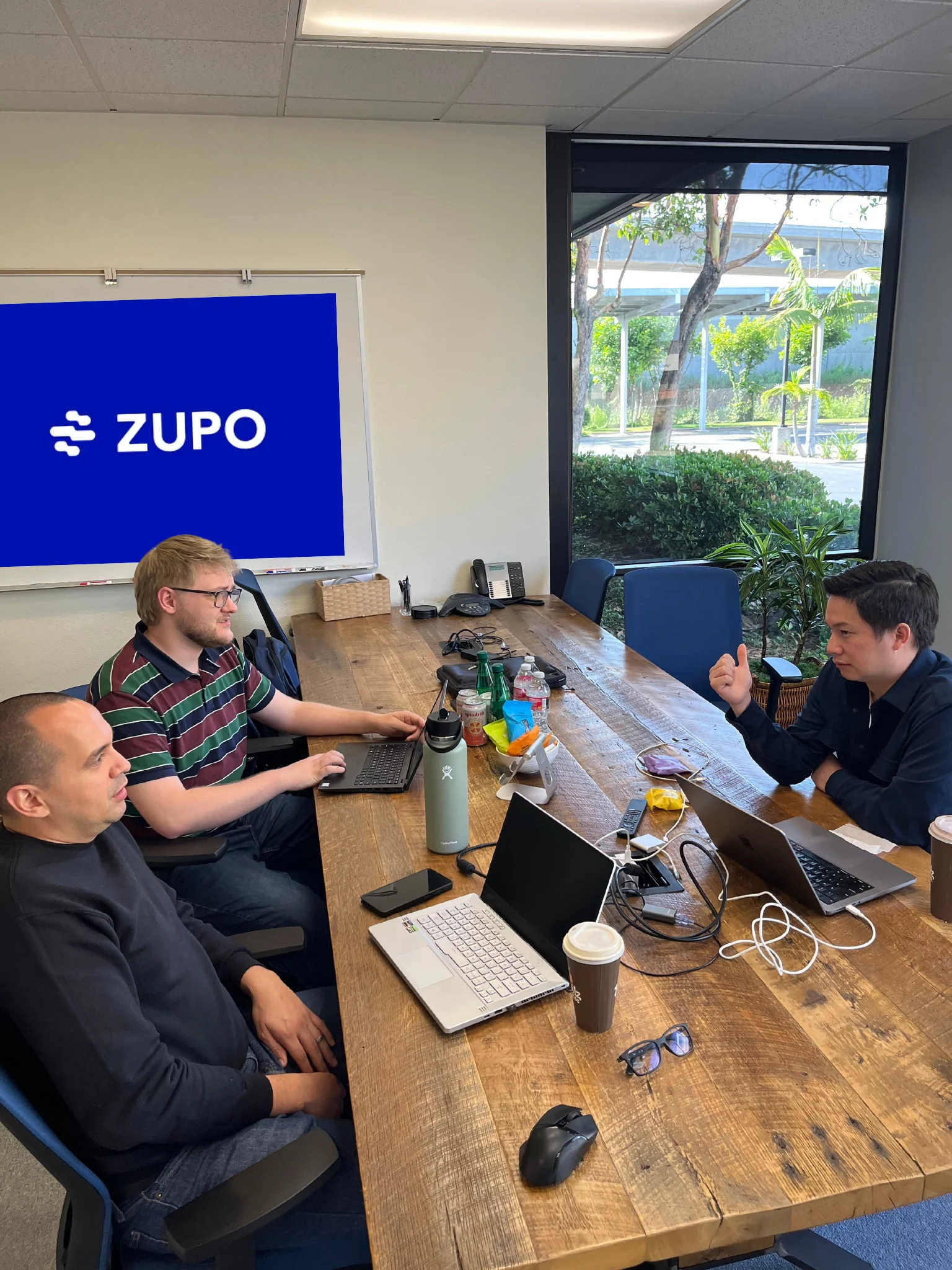
Agency expertise, made practical
Zupo brings the people and disciplines behind search visibility into one connected team—so strategy, execution, and measurement do not operate in silos.
Specialists working across SEO, AI Visibility, content, and authority
Practical guidance for marketing teams and agency partners
Clear recommendations that turn complex search changes into action
Where AI visibility breaks down
Zupo looks beyond a missing mention to the content, source, authority, entity, and technical conditions shaping the answer.

Primary constraint
Ambiguous service, entity, or positioning signals can produce incomplete descriptions.
Keyword coverage may not answer the natural-language questions buyers now ask.
Dense pages can hide useful facts from both readers and retrieval systems.
Missing structured context can make page and brand relationships harder to interpret.
Models may favor competitors with clearer third-party evidence.
What Zupo evaluates
The review connects audience questions to page structure, entities, schema, authoritative sources, and observed model behavior.
Opportunity analysis
How well does the current program handle opportunity analysis—and what evidence should guide the next move?
Persona and intent mapping
How well does the current program handle persona and intent mapping—and what evidence should guide the next move?
Content optimization
How well does the current program handle content optimization—and what evidence should guide the next move?
Schema and microdata
How well does the current program handle schema and microdata—and what evidence should guide the next move?
Source targeting
How well does the current program handle source targeting—and what evidence should guide the next move?
Performance tracking
How well does the current program handle performance tracking—and what evidence should guide the next move?
Recommended next move
Select the most valuable misunderstood or missing answer and strengthen the evidence path around it.
What the engagement includes
The exact scope depends on the starting point. The work is sequenced so each recommendation connects to evidence and an owner.
Find missing mentions, competitor advantages, influential sources, and high-value conversational queries.
Map how different audiences ask questions and what evidence they need from the answer.
Refine articles, service pages, and assets into clear, referenceable information.
Add structured context that helps machines interpret page purpose and entities accurately.
Strengthen presence on credible sources that language models use to validate information.
Monitor citations, sentiment, accuracy, referral traffic, and ongoing opportunities.
What the client receives
This illustrative artifact shows the structure of a Zupo review. It contains no client findings, performance claims, or fabricated data.
Opportunity analysis
Illustrative sampleObserved signal
Find missing mentions, competitor advantages, influential sources, and high-value conversational queries.
Why it matters
The roadmap defines the affected page, signal, owner, and next action before recommending broader execution.
Recommended next move
Trace the gap to content, sources, authority, entity clarity, and technical access before prioritizing execution.
Persona and intent mapping
Map how different audiences ask questions and what evidence they need from the answer.
Content optimization
Refine articles, service pages, and assets into clear, referenceable information.
Schema and microdata
Add structured context that helps machines interpret page purpose and entities accurately.
The connected visibility system
LLM Optimization is a focused capability within Zupo's AI Visibility pillar. The three primary pillars reinforce one another so technical access, useful content, answer visibility, and credible authority compound together.
Primary pillar
Mentions, citations, answer accuracy, competitor gaps, prompt coverage, and cross-platform visibility.
Connected pillar
Search opportunity, technical clarity, architecture, useful content, organic performance, and measurement.
Connected pillar
Expert content, bylines, source targeting, credible mentions, editorial trust, and reputation signals.
LLM Optimization FAQ
LLM Optimization updates content, site structure, entities, schema, and source signals so large language models can understand and reference a business more accurately.
Traditional SEO emphasizes discoverability and rankings. LLM Optimization adds conversational intent, direct answer monitoring, citation analysis, and referenceable content structure.
Zupo can evaluate citation frequency, sentiment, answer accuracy, prompt coverage, AI referral traffic, and downstream conversion behavior.
Priority service pages, expert articles, comparison content, FAQs, resources, and other pages that directly answer important buyer questions can all benefit.