
Link Equity in SEO: What It Is & How to Maximize Link Juice
Have you ever wondered why certain websites regularly appear at the top of search engine pages for a wide range of keywords? Chances are that there are several SEO variables responsible for this. However, in many cases, one of the elements these site owners have likely mastered is how to make the best use of \[…\]
Have you ever wondered why certain websites regularly appear at the top of search engine pages for a wide range of keywords? Chances are that there are several SEO variables responsible for this. However, in many cases, one of the elements these site owners have likely mastered is how to make the best use of their link equity.
In this article, we’ll cover exactly what link equity is and how you can ensure you maximize it in your own SEO campaigns.
What is Link Equity (Link Juice)?
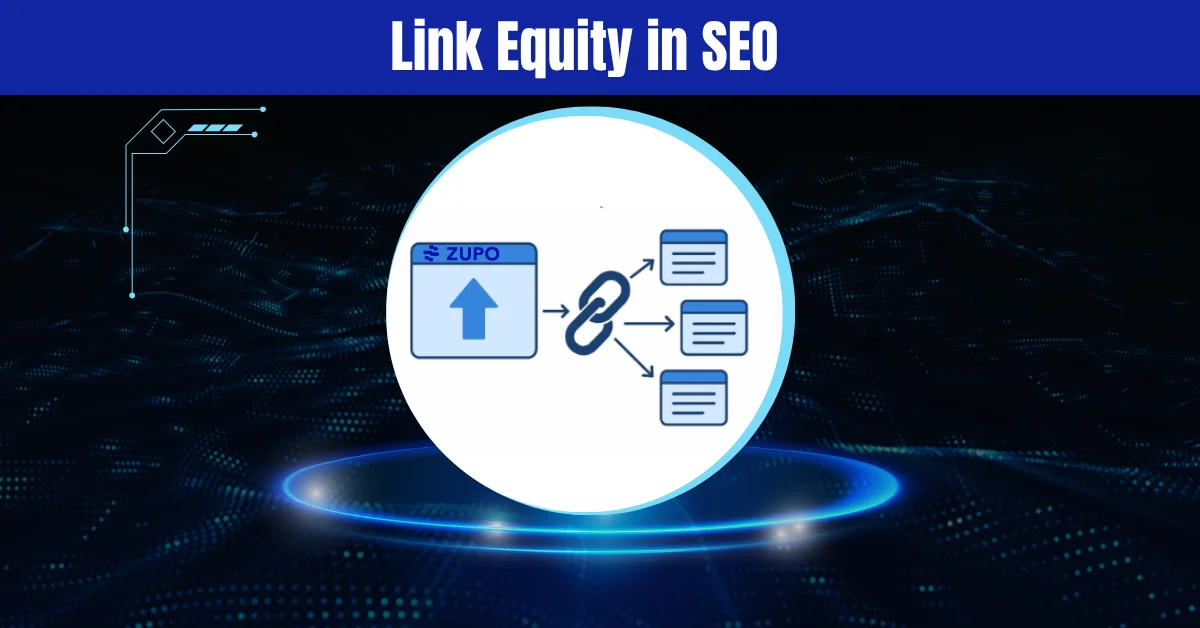
When structuring your internal or external site links, you’ve likely heard the term link equity or “link juice.” This refers to the authority and associated ranking power of one page of your site, which passes on this credibility to another one of your pages.
Link equity is actually an essential component that search engine spiders look for to help determine whether a new page of content is important or not and worth indexing.
How Link Juice Flows in SEO
Link structure plays a vital role in SEO. If a website has a lot of established authority, the pages it links to are likely associated with helpful resources that web crawlers take more seriously.
However, link juice isn’t just passed between an external site and your own. Even the links you create within your website can pass their authority from one page to the next. This is really helpful to get new pages indexed and ranked more quickly.
Why Link Equity Matters for SEO
Your webpages’ link equity can have a significant impact on various elements of your SEO. Link equity is essential because it:
- Boosts Page Authority – As web pages pass on more credibility to others, it helps you to increase your overall site’s authority, leading to better positioning on SERPs.
- Improves Crawlability – Link equity helps search engine crawlers identify which linked pages are more important than others, increasing their likelihood of crawling and indexing those pages faster.
- Strengthens Keyword Rankings – When you use keywords as part of your anchor text in links, this can lead to search engines making better connections between those keywords and the context on the pages. This helps to increase search engine rankings for those specific terms or phrases.
PageRank and Google’s Algorithm
For some time now, Google has used its proprietary “PageRank” as a foundational piece of its algorithm used to help rank certain webpages online. It was originally developed by Google to help gauge the helpfulness and authority of websites based on the number of higher-quality links pointing back to certain pages.
Although Google no longer displays PageRank scores to the public, this doesn’t mean that tracking link juice still has no impact on SEO. Even though Google doesn’t use this specific metric, they have made it clear that the type of links pointing to your site and the structure and relevancy of internal links are still important factors in how pages are ranked on SERPs.
Factors Affecting Link Equity
When and how link equity is passed on to other webpages can be impacted by a wide range of factors. Below are the various factors used to determine how much link equity actually passes from one page to the next:
Domain Authority (DA) & Page Authority (PA)
Domain Authority (DA) and Page Authority (PA) are frequently referenced when discussing a website’s overall performance on search engines. DA and PA are both metrics used to gauge the overall strength that sites have and their ranking potential when targeting specific keywords.
Typically, a site that has a higher DA is seen as more trustworthy by search engines. This means that these types of sites will have more weight placed on their link equity than others that don’t.
Link Relevance
The context of your links and their relevance to the webpages or sites they point to can also impact the amount of equity that is passed on. If you have site links pointing to or coming from highly relevant sites, they’re likely to have much more weight than if they are irrelevant.
For example, websites that typically focus on technology should have links related to those same topics. If there were multiple links going to sites about fashion news or sports-related topics, they’ll more than likely be seen as spam and not used for equity exchanges.
Link Type: Follow vs. Nofollow
Not all internal and external links are the same. Whether or not links are considered “follow” or “nofollow” will impact the movement of your link equity.
Follow links are the default format when creating new hyperlinks on your site. They’ll successfully pass on link juice to other pages based on their relevancy and any credibility that’s been established.
Nofollow links, however, are designed with a special attribute that tells search engine crawlers not to pass on link equity from one page to another.
Placement of Links on a Page
The location of a link on a page makes a difference in how much link equity it can transfer. For example, links placed within the main body, also known as “contextual links,” are generally seen as the most valuable. These links provide relevant text with them that makes them more effective at passing link juice.
Links found in less prominent spots, like sidebars, footers, or global navigation menus, usually pass less authority.
Number of Outgoing Links
If a page has a lot of bound links, the total amount of link juice will need to get divided up among all of them. This means that each individual link will end up receiving a smaller piece of that ranking authority.
This is why it often makes more sense to focus on having fewer, higher-quality, and strategically placed links. This approach leads to a much more efficient distribution of link equity to the pages you’re trying to rank for.
How to Maximize Link Equity for SEO Success
1. Use Keyword-Optimized Anchor Text
Make sure that when you create any internal links, you’re always using descriptive text that includes your target keywords. This helps to make sure that Google knows exactly what the content you’re linking to contains and makes it easier to rank for those terms in SERPs.
2. Create Content Hubs (Hub-and-Spoke Model)
Content hubs that are made up of pillar pages and supporting articles are an effective hub-and-spoke model to follow that will help to add more value to the links you create. When creating a main content page, link out to other support pages you’ve created. This creates more comprehensive coverage of chosen topics and helps to improve your link equity.
3. Optimize Site Structure for Link Distribution
Design your website with a clear, logical structure where your important pages are easy to find. This will ensure that your link equity flows more efficiently from your most authoritative pages to other relevant content across your site.
4. Conduct Regular Link Audits
Make it a habit to periodically check your internal links. You’ll want to find and fix any broken links, as these can waste your link equity. Make sure you update any older links and have them point to newer, more relevant content.
5. Guest Posting
Reach out to other high-authority site owners and offer to provide high-quality articles in exchange for links back to your own site. This is a very common and impactful way to secure valuable backlinks that pass significant link equity from trusted sources directly to your site.
6. Broken Link Building
By searching for broken links on established, high-authority websites, you can create new opportunities to acquire high-authority links. If you can create good quality content that replaces any broken resources you discover, you can then reach out to the site owner and suggest your content as a valuable replacement. This helps reduce their site errors while providing you with a valuable backlink to your own site.
Common Link Equity FAQs
Are Link Equity and PageRank the Same?
No, while they aren’t the same exact thing, they are closely related. PageRank was an early Google algorithm specifically designed to measure link value. Link equity is a broader, more practical SEO concept that describes the overall value and authority passed through any hyperlink.
Can You Measure Link Equity?
There isn’t a direct tool that measures link juice. However, many SEO tools like Moz, Ahrefs, and Semrush offer features that track relevant link metrics that estimate how much authority and value a link might pass.
Does Every Link Pass Link Equity?
No, not every link passes link equity. Several factors can impact link equity flow, such as whether a link has nofollow or sponsored attributes, its placement on the page, and the relevance of the linking website, whether or not the link is considered follow or nofollow, or the amount of links found on pages.
What If I Don’t Want to Pass Link Equity?
If you’re linking to a page but don’t want to pass your site’s ranking power or endorse the content, you can use nofollow or sponsored attributes. These attributes tell search engines not to follow the link and will not pass any equity.
Can I Inherit Link Equity from Websites I Link To?
No, outbound links from your site generally don’t directly boost your rankings by gaining equity from the sites you link to. While linking to authoritative sites can increase your credibility and help build relationships with other site owners, the flow of link equity is typically one-way.